
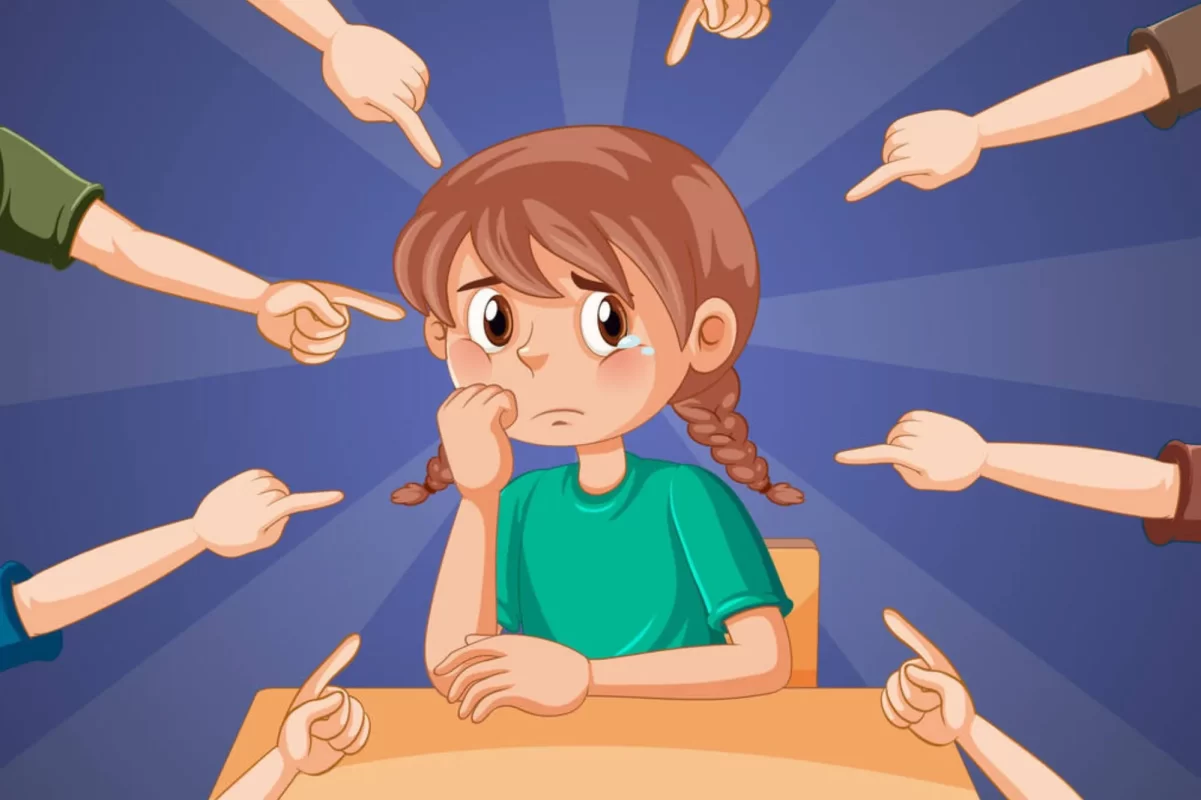
We all want the best for the children in our lives. However, even with the most loving and supportive home environment, there may still come times when a child finds it difficult to cope. Recognising the warning signs early and responding with empathy and care can make all the difference. Here are some of the warning signs you need to look out for:
Changes in Behaviour
Sudden or gradual changes in behaviour can signal that a child is having a hard time. For example, a usually outgoing child who becomes withdrawn, quiet and unwilling to socialise could be feeling anxious or depressed. Mood swings, loss of interest in hobbies, disturbed sleep patterns, changes in eating habits, and unexplained aches and pains can also indicate inner turmoil.
Changes in Behaviour
- Withdrawal
- Stays in their room for long periods
- Avoids playing with friends or family
- Doesn’t want to participate in activities they used to enjoy
- Mood Swings
- Becomes easily irritated or angry
- Cries frequently or without apparent reason
- Has sudden outbursts of emotion
- Loss of Interest in Hobbies
- Stops participating in favorite activities or sports
- Shows no enthusiasm for things they used to love
- Leaves hobbies or projects unfinished
- Disturbed Sleep Patterns
- Has trouble falling asleep or staying asleep
- Sleeps more or less than usual
- Has nightmares or wakes up frequently
- Changes in Eating Habits
- Eats more or less than usual
- Shows no interest in favorite foods
- Has trouble swallowing or shows signs of nausea
- Unexplained Aches and Pains
- Frequently complains of headaches or stomachaches
- Shows signs of physical tension (e.g., clenched fists, tight muscles)
- Has trouble concentrating due to physical discomfort
Problems at School
School is a major part of a child’s life, so any difficulties here could be a sign they are struggling to cope. Look out for a sudden drop in grades, unusual difficulty concentrating, avoidance of school or truancy. The child may also express dislike of school or teachers, begin bullying others, or become isolated from friends. Don’t dismiss this as laziness – gently explore the root causes with the child.
Problems at School
- Sudden Drop in Grades
- Fails tests or quizzes without studying
- Doesn’t complete homework or assignments
- Shows a lack of effort in schoolwork
- Unusual Difficulty Concentrating
- Has trouble focusing in class
- Gets easily distracted
- Struggles to follow instructions
- Avoidance of School or Truancy
- Skips school without a valid reason
- Arrives late or leaves early
- Makes excuses to stay home
- Dislike of School or Teachers
- Expresses hatred for school or teachers
- Complains about school or teachers frequently
- Shows no interest in school activities
- Bullying Others
- Physically or verbally hurts others
- Excludes others from games or activities
- Spreads rumors or gossip slots
- Isolation from Friends
- Sits alone at lunch or recess
- Doesn’t participate in group activities
- Shows no interest in socializing with friends
Self-Harm
Self-harming behaviours are a serious cause for concern at any age. Warning signs include unexplained marks or wounds, wearing long sleeves even in warm weather, signs of cutting or burning, loss of interest in physical appearance, or frequently bandaged arms and wrists. Do not ignore this or delay seeking professional help – self-harm often links to significant emotional pain that the child feels unable to handle.
Self-Harm
- Unexplained Marks or Wounds
- Has cuts, scratches, or burns without a clear explanation
- Shows bruises or scars that they won’t talk about
- Has frequent “accidents” that result in injuries
- Wearing Long Sleeves in Warm Weather
- Covers arms and legs even in hot weather
- Wears thick clothing that’s not suitable for the season
- Hides their body even when it’s not necessary
- Signs of Cutting or Burning
- Has straight-edged cuts or burn marks on their skin
- Shows signs of using objects to harm themselves (e.g., razors, lighters)
- Has scars or marks that look like they were self-inflicted
- Loss of Interest in Physical Appearance
- Stops taking care of their personal hygiene
- Shows no interest in dressing nicely or grooming
- Looks unkempt or disheveled
- Frequently Bandaged Arms and Wrists
- Has bandages or dressings on their arms or wrists often
- Says they have frequent “accidents” that require bandages
- Hides their arms or wrists under clothing or bandages
Social Media Warning Signs
Today’s children spend a lot of time interacting online, so their social media use can provide insight into their state of mind. Signs they may be struggling include sharing depressive/anxious thoughts, interacting less, posts about loneliness, befriending strangers, and cyberbullying others. While respecting privacy, gently open up age-appropriate discussions about their online activity. Encourage them to use social media positively, not as a lifeline.
Social Media Warning Signs
- Sharing Depressive/Anxious Thoughts
- Posts about feeling sad, empty, or hopeless
- Shares anxious or fearful thoughts online
- Writes about feeling overwhelmed or stressed
- Interacting Less
- Suddenly stops engaging with friends online
- Shows less interest in social media activities
- Responds less frequently to messages or comments
- Posts About Loneliness
- Writes about feeling lonely or isolated
- Shares posts about wanting friends or connection
- Says they feel left out or ignored
- Befriending Strangers
- Accepts friend requests from unknown people
- Interacts with strangers online regularly
- Shares personal info with people they don’t know
- Cyberbullying Others
- Sends mean or hurtful messages online
- Posts negative comments about others
- Shares embarrassing or hurtful content about others
Seeking Solitude
Children naturally need some solitude at times. But constantly seeking isolation in their room, avoiding family activities, and not wanting to see friends could mean they feel unable to cope around others. Likewise, running away or disappearing for periods of time can signal inner anguish. Create opportunities for your child to open up through one-on-one time like walks, drives or meals out. Let them know you are always ready to listen without judgment.
Seeking Solitude
- Constantly Seeking Isolation in Their Room
- Spends most of their free time alone in their room
- Avoids coming out of their room for meals or activities
- Shows no interest in leaving their room
- Avoiding Family Activities
- Doesn’t want to participate in family gatherings or events
- Shows no interest in family hobbies or traditions
- Avoids spending time with family members
- Not Wanting to See Friends
- Turns down invitations from friends
- Shows no interest in socializing with friends
- Avoids talking about friends or social activities
- Running Away or Disappearing
- Leaves the house without telling anyone
- Disappears for periods of time without explanation
- Runs away from home or threatens to do so
What Parents and Carers Can Do
The most important thing is making your child feel secure enough to open up about their feelings. Be their safe space and reassure them you will help them through any difficulties. When fostering in Wales, carers can access valuable support services to help identify problems early and handle challenging behaviours positively.
Catching a child’s cries for help early is crucial but not always easy. The key is recognising struggles and intervening before small issues escalate. By providing consistent emotional support, you can make all the difference in getting a struggling child back on track.
